Case study
A Home Office That Stopped Losing Paperwork
Paper was arriving faster than it was being filed. We built a three-step intake system and cut the archive down by two thirds.
- Service
- Home Office and Paper
- Location
- Rockville Centre, Long Island
- Time on site
- Two sessions, seven hours total
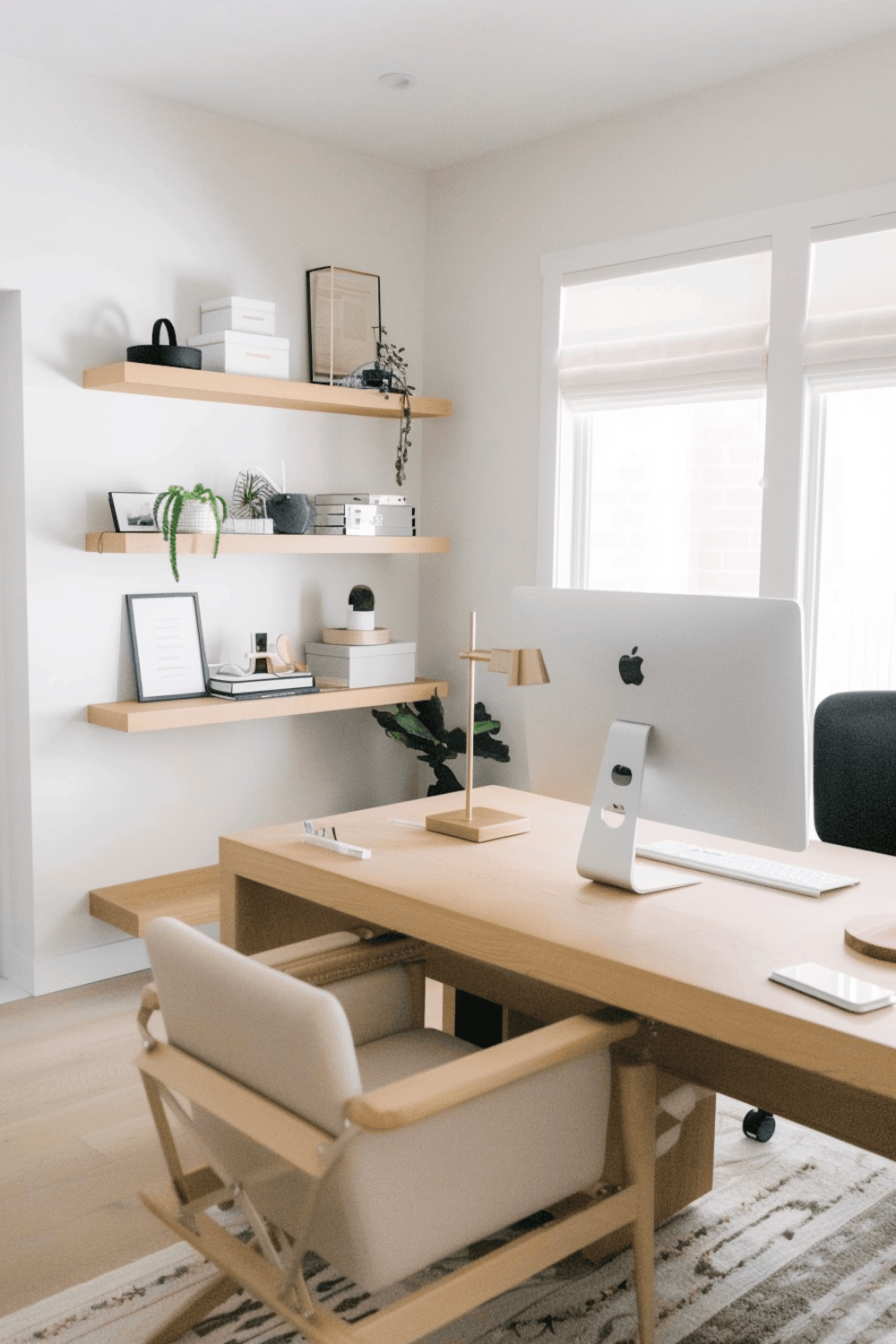 After
AfterThe problem
What the household was actually dealing with before we arrived.
Two full filing cabinets held twelve years of paper, but current bills sat in shifting piles on the desk, because filing them meant opening a drawer that was already jammed. Something important got paid late, which is what prompted the call.
The process we used
Declutter, sort, optimize, applied to this particular room.
We separated the two problems, because they are different problems. The archive was sorted against retention guidance, and roughly two thirds of it was shredded or recycled, which freed a whole cabinet. Then we built the part that was actually missing: an intake sequence with three physical steps, one tray for anything that arrives, one folder for anything needing action this week, and one drawer for anything finished and kept. Reference material that exists online anyway, manuals and old statements, was cleared rather than refiled.
Before and after
What changed, described plainly
Before
Two jammed filing cabinets, four active paper piles on and around the desk, and no single place where incoming mail landed.
After
One filing cabinet with room to spare, a three-tray intake sequence on the desk, and a labelled action folder cleared on a set day each week.
The result
Paper now has one entry point and one weekly review, and the desk surface has stayed clear since.
Outcomes
- Archive reduced by roughly two thirds against retention guidance
- One full filing cabinet emptied and removed from the room
- Three-step intake built for incoming mail
- A fixed weekly review slot agreed so the system keeps running